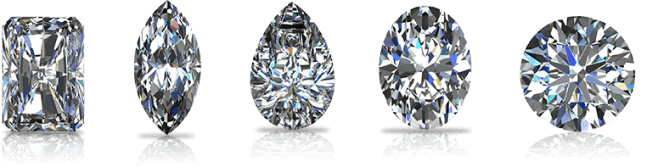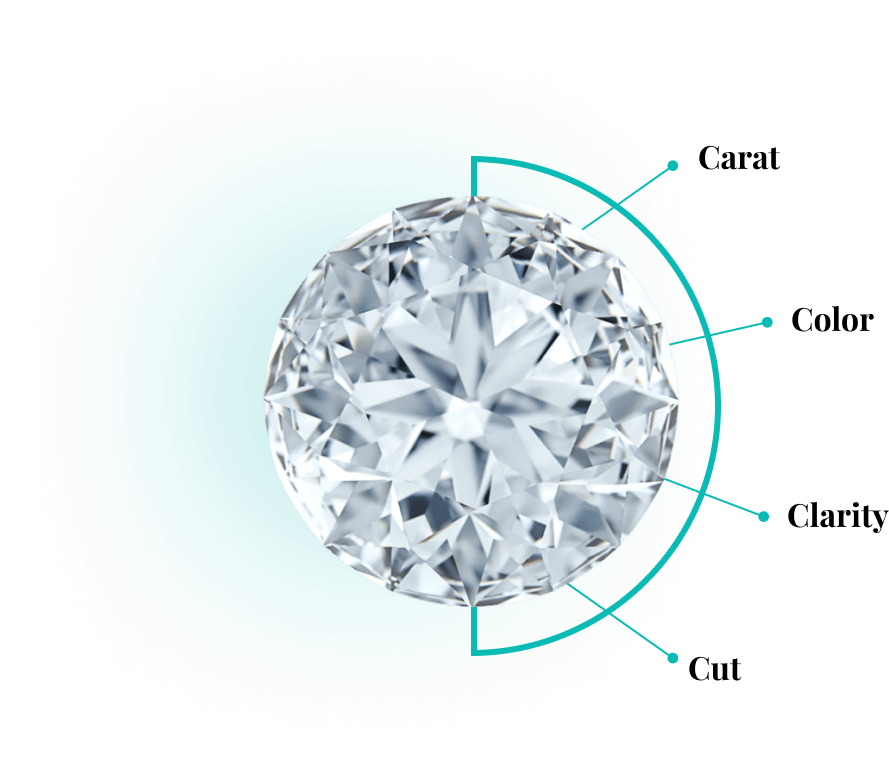
4C Diamond Quality is the universal method for assessing the standard of any diamond, anywhere in the world. The creation of the Diamond 4Cs meant two vital things: diamond quality might be communicated through a universal language, and diamond customers could now know exactly what they were close to purchasing.
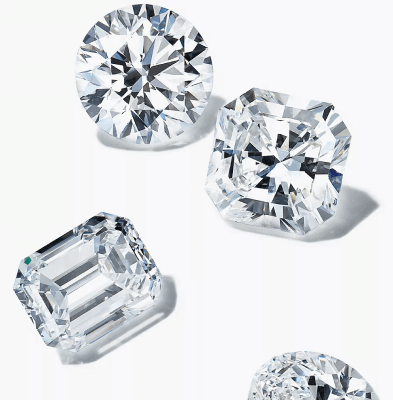
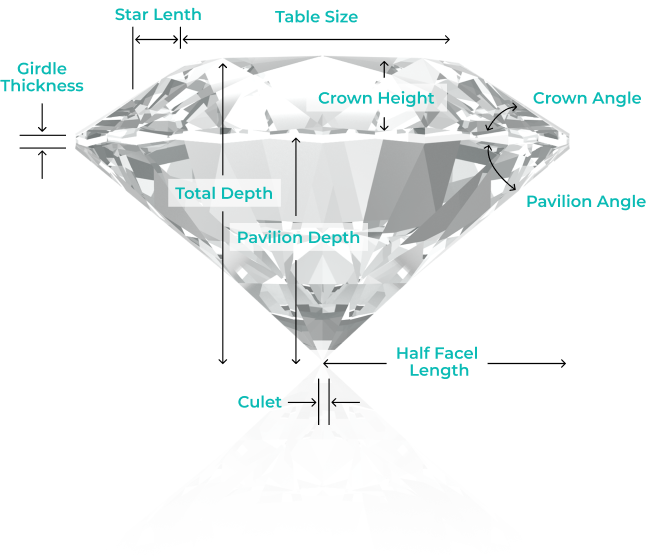
The most important of the 4Cs, cut, refers to how a diamond’s facets interact with light. It is determined by symmetry, proportion, and polish. More than any other factor, the cut determines the beauty of the stone. Tiffany diamonds, from the smallest to the largest stone, are always cut to prioritize brilliance over carat weight.
Put simply, the cut is responsible for the quality of a diamond’s sparkle. If a diamond is cut poorly, it will appear dull even if it has a high colour and clarity grade. If a diamond is cut well, it will reflect and refract light for maximum brightness and sparkle. Put simply, the cut is responsible for the quality of a diamond’s sparkle. If a diamond is cut poorly, it will appear dull even if it has a high colour and clarity grade. If a diamond is cut well, it will reflect and refract light for maximum brightness and sparkle.
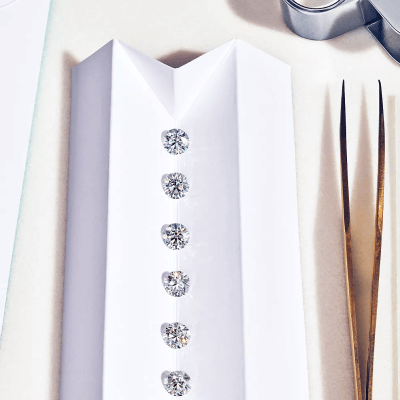
Put simply, the cut is responsible for the quality of a diamond’s sparkle. If a diamond is cut poorly, it will appear dull even if it has a high color and clarity grade. If a diamond is cut well, it will reflect and refract light for maximum brightness and sparkle. Put simply, the cut is responsible for the quality of a diamond’s sparkle. If a diamond is cut poorly, it will appear dull even if it has a high color and clarity grade. If a diamond is cut well, it will reflect and refract light for maximum brightness and sparkle.
The most important of the 4Cs, cut, refers to how a diamond’s facets interact with light. It is determined by symmetry, proportion, and polish. More than any other factor, the cut determines the beauty of the stone. Tiffany diamonds, from the smallest to the largest stone, are always cut to prioritise brilliance over carat weight.
The most important of the 4Cs, cut, refers to how a diamond’s facets interact with light. It is determined by symmetry, proportion, and polish. More than any other factor, the cut determines the beauty of the stone. Tiffany diamonds, from the smallest to the largest stone, are always cut to prioritize brilliance over carat weight.
Put simply, the cut is responsible for the quality of a diamond’s sparkle. If a diamond is cut poorly, it will appear dull even if it has a high color and clarity grade. If a diamond is cut well, it will reflect and refract light for maximum brightness and sparkle. Put simply, the cut is responsible for the quality of a diamond’s sparkle. If a diamond is cut poorly, it will appear dull even if it has a high color and clarity grade. If a diamond is cut well, it will reflect and refract light for maximum brightness and sparkle.
Carats Club has established itself within the industry over time. It deals in rough and polished diamonds, which are procured from trusted and authorized suppliers and provided to recognized buyers.
Since diamonds are made from the toughest material within the world, only a diamond is often wont to mechanically cut another diamond.
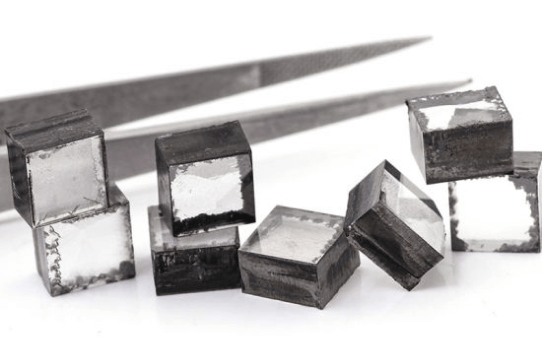

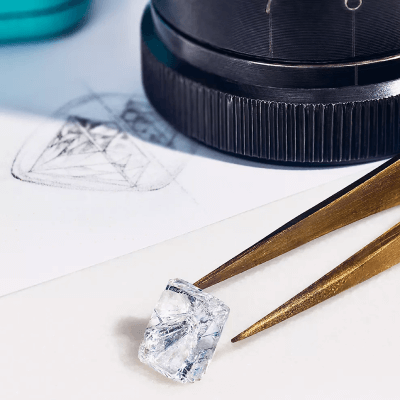
Each gem begins as, quite literally, a "diamond in the rough," one of many in the packets Carats Club receives from its portfolio of ethical suppliers. Our rough diamond planners measure each rough diamond and assess its potential. If a diamond could be part of our Flawless collection, we direct it there for special care. If the diamond is merely gorgeous, it is forwarded to the experts in our planning department.
Here, Carats Club begins the work of considering what will emerge from the rough. The planner is the architect of the diamond and will consider many options for what shapes could result, what colors may imbue the diamond, and where minor inclusions might be retained or excised. In contrast to the traditional image of a cutter wielding a hammer and cleaving chisel, cutting lasers operate quietly and precisely, flashing atom after atom from the stone.
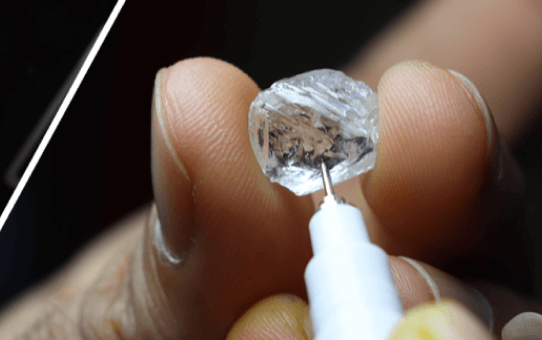

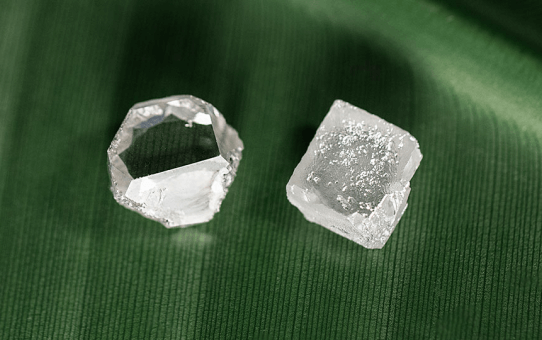
Here, almost all of Carats Club’s rough is sawn into one or more diamonds, in accordance with the planner's vision, by computer-aided machines. In contrast to the traditional image of a cutter wielding a hammer and cleaving chisel, cutting lasers operate quietly and precisely, flashing atom after atom from the stone. Our diamond sawing operation requires careful work to set the stone perfectly in the machine and programme the necessary cuts. Our cutters are also looking to the future, continually experimenting with new methods and tools to make the process more precise and efficient.
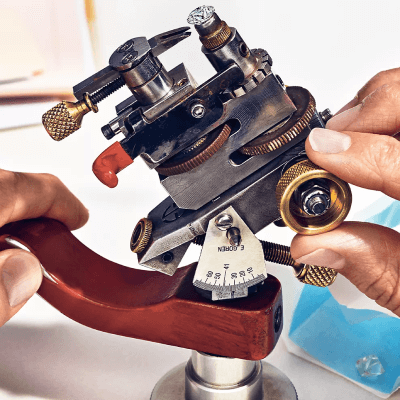
In the shaping process, also known as bruting or girdling, Carats Club uses the hardness of diamonds as the ideal tool for smoothing a rough stone. To create the girdle, we use a ceramic wheel, coated in industrial diamond grit and an electronic lathe that is monitored by our hawk-eyed artisans. While the name "bruting" suggests a blunt process, "shaping" requires the utmost care to ensure the proper amount of contact between the diamond and the wheel. A coolant solution poured continually over the diamond during this process, keeps the diamond from developing burn marks or even minuscule fractures that could adversely affect its resulting size or clarity.
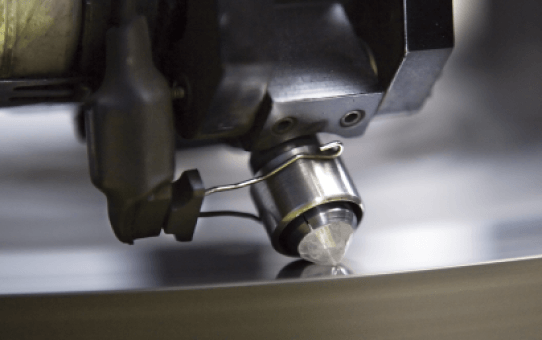
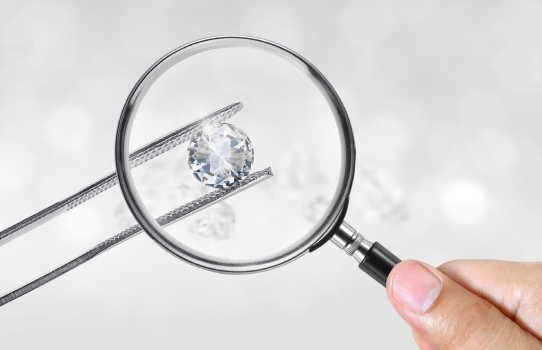
The final stage of a diamond's journey from the rough encompasses many steps, including blocking the pavilion and the crown into their basic shapes and polishing the individual facets to the precise angles that will reflect cascades of light from deep inside. While this process is well known, what makes Carats Club unique is that we entrust every aspect of an individual diamond's polishing to one craftsman. Instead of the output of an assembly line process, each of our gems is guided to its final form through the genius of a single artisan carefully working a diamond against a finely balanced polishing wheel or, to cut the notch of a heart-shaped diamond, an old-fashioned electro-mechanical sawing wheel. The results, which have made us the world leader in the round and fancy-cut solitaire diamonds, speak for themselves.


| Lab Grown Diamond | Natural Diamond | |
|---|---|---|
| Is it a diamond? | Yes | Yes |
| Is it Real Diamond? | Yes | Yes |
| What is its source? | Greenhouse | Mines |
| Is it eco-conscious? | Yes | No |
| What is its life expectancy? | Yes | No |
| Is it artificial? | No | No |
| Is it a conflict diamond? | No | Maybe |
| Engages child labor? | No | Maybe |
| Can it be customized? | Yes | Maybe |
| Is it affordable? | Yes | Maybe |
| Can it meet quantity demands? | Yes | Maybe |
| Is it a conflict-free? | Yes | Maybe |
| Whether it is real or not? | 100% | 100% |
| Is it eco-friendly? | 100% | Not at all |